1.1Two Beginnings: The Dual Creation Sequences
3 minHow ancient interpreters handled the differences between Genesis 1 and Genesis 2, and why Gnostic readers saw two distinct creators at work.
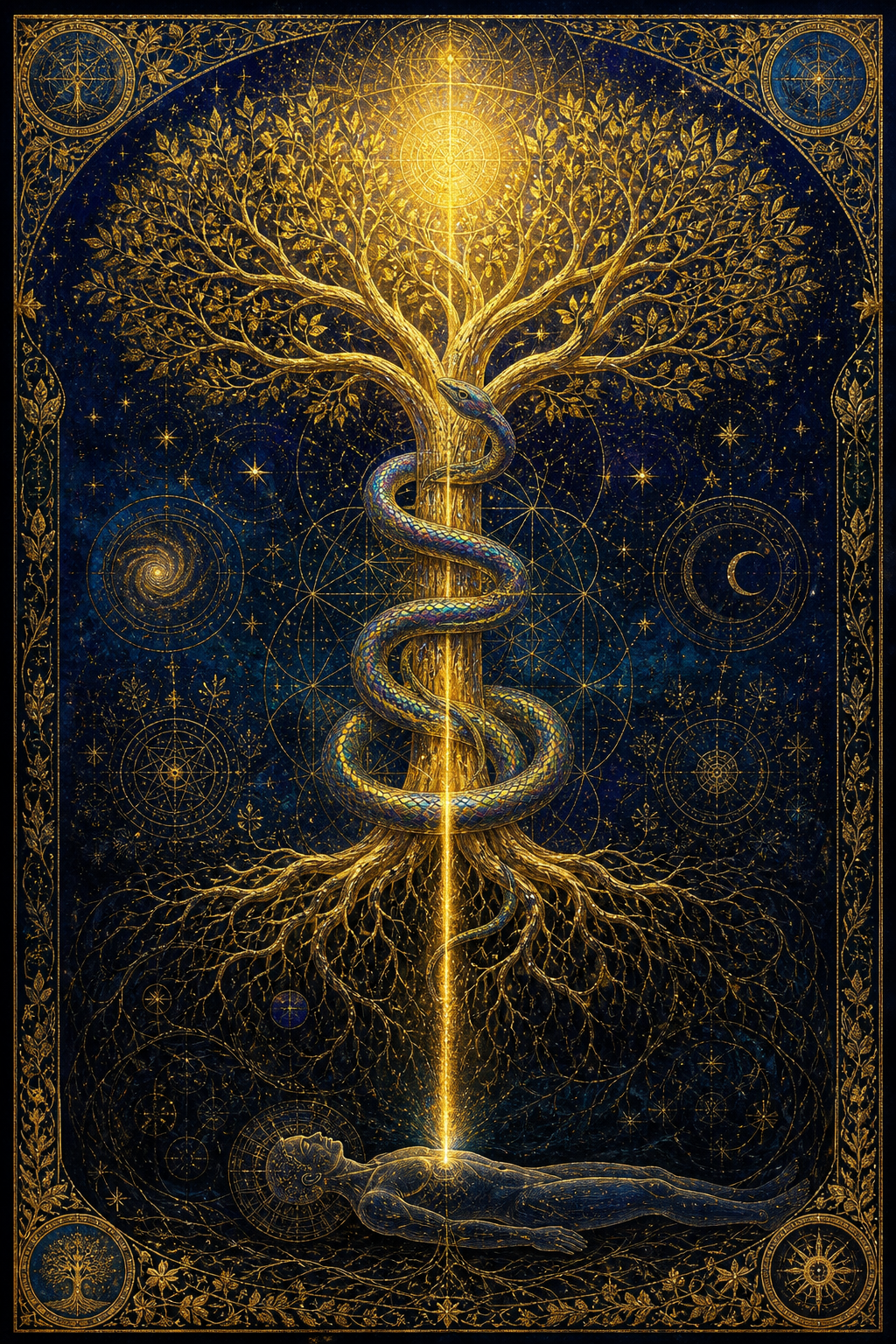
Anyone who reads the opening of Genesis slowly notices something the tradition has always known and rarely advertised: there are two creation accounts, and they do not fit together as smoothly as a single seamless story. In the first (Genesis 1:1–2:3) a transcendent God speaks the cosmos into ordered being over six days and calls it good, creating humankind — male and female together — in the divine image. In the second (Genesis 2:4–25) a more anthropomorphic LORD God forms a single man from the dust of the ground, plants a garden, and only later fashions the woman. For most of Jewish and Christian history these were read as complementary: a wide-angle overture followed by a close-up. The differences were harmonized, and the harmonization became invisible.
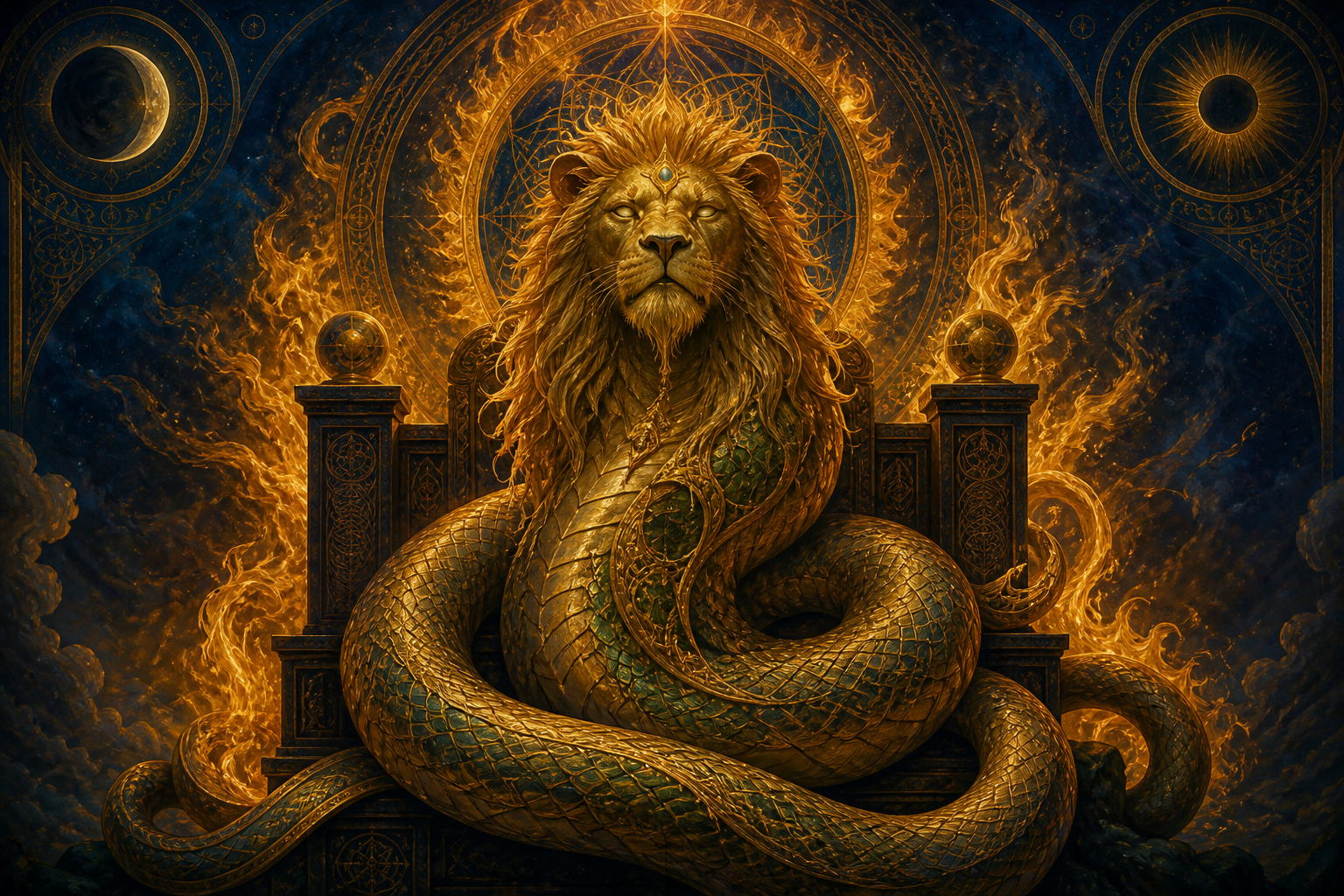
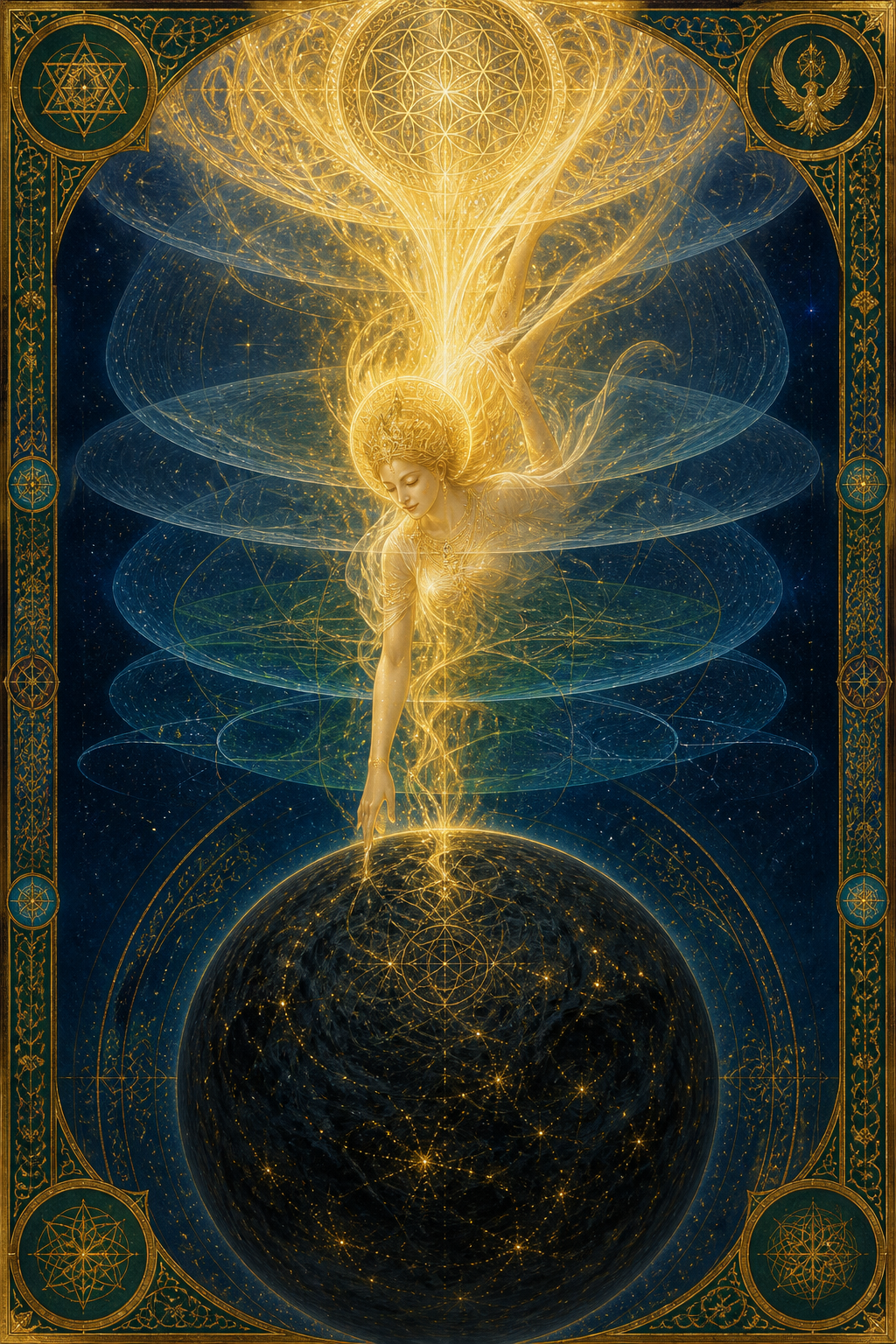
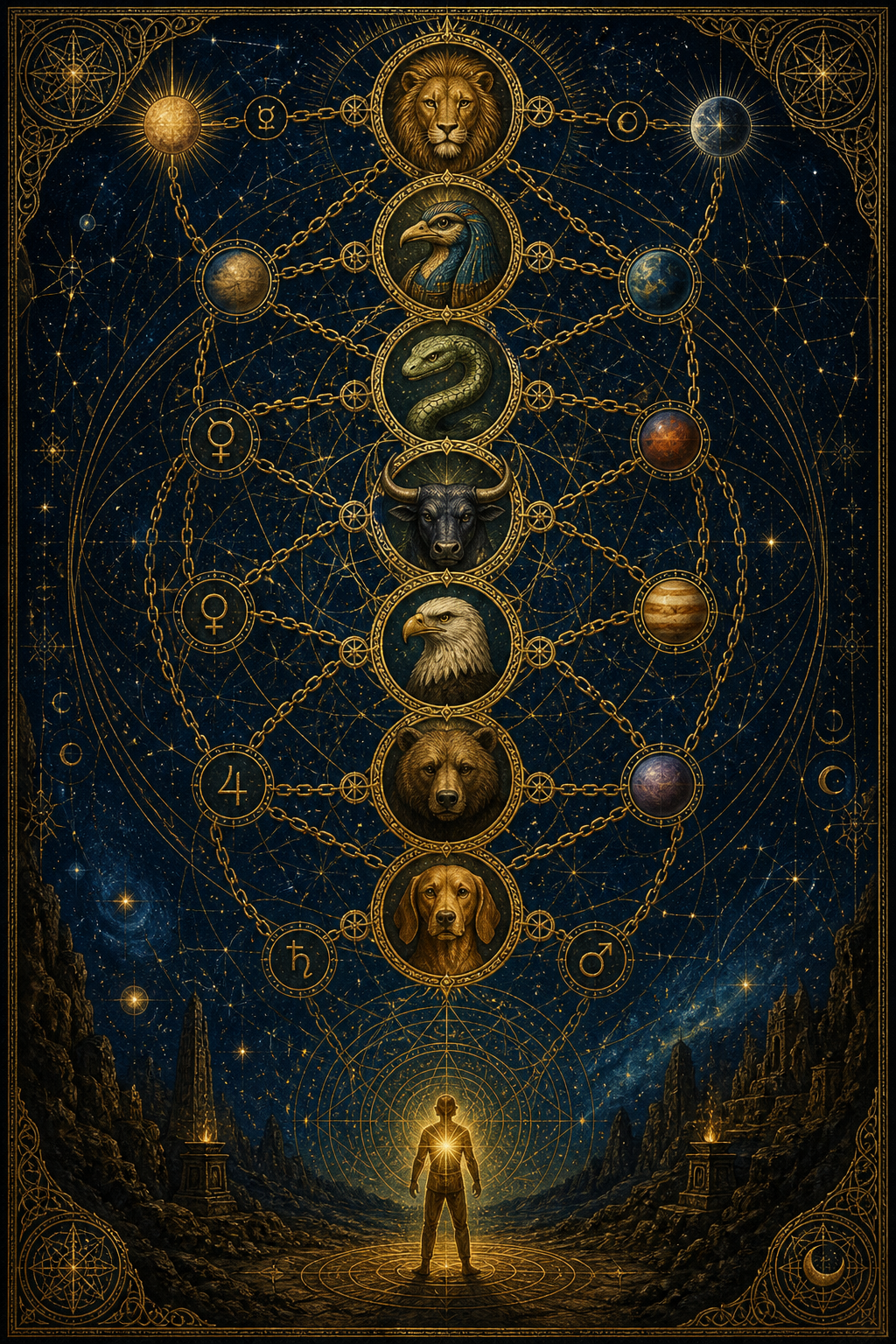
Ancient readers, however, were not all content to harmonize. The Gnostic authors of the second and third centuries seized precisely on the seams. If there are two accounts, they asked, might there be two makers? Might the God who speaks light into being differ from the one who molds clay, walks in the garden in the cool of the day, and fears that the human has “become like one of us”? The Apocryphon of John, our fullest Sethian witness, answers yes — but not in the flat way later critics accused it of. The true Source remains utterly transcendent; it is a lower, derivative power, Yaldabaoth, who imagines himself the sole creator and stamps that claim onto the material world.
It is important to state clearly what is evidence and what is interpretation. The existence of two literary strata in Genesis is a matter of near-universal scholarly consensus, arrived at long before anyone consulted Gnostic texts; source critics call them the Priestly and Yahwistic materials (evidence class H). That the Gnostics read a second creator into these seams is a matter of primary-text record (evidence class P1) — the Apocryphon of John says so explicitly. Whether the biblical authors themselves intended two deities is not what the Gnostics claimed and not what this book claims; the Gnostic reading is a reinterpretation, a deliberate re-reading against the grain, not a recovery of the original sense.
Why would anyone read the text this way? Because the Gnostic writers were wrestling with a real theological problem: how can a good, perfect, transcendent Source be responsible for a world so evidently marked by suffering, ignorance, and death? Their answer distributed the labor. The highest God did not make this flawed world directly; a lower power did, working with material and motives it did not fully understand. This is not casual blasphemy. It is a serious — if contestable — attempt to protect the goodness of ultimate reality from the wreckage of ordinary experience.
This chapter therefore reads the dual creation sequences on three levels at once: what the Hebrew and Greek texts actually say, how the mainstream traditions harmonized them, and how the Gnostic schools transformed them. Keeping these levels distinct is the discipline of the whole book. We are not claiming the Gnostics were right and the tradition wrong, or the reverse. We are tracing how the same handful of verses became the seedbed for radically different visions of who made the world and why — and why the question still matters to anyone who has ever wondered whether existence is a gift, an accident, or something stranger than both.