

Why a Hidden Door
1 min read
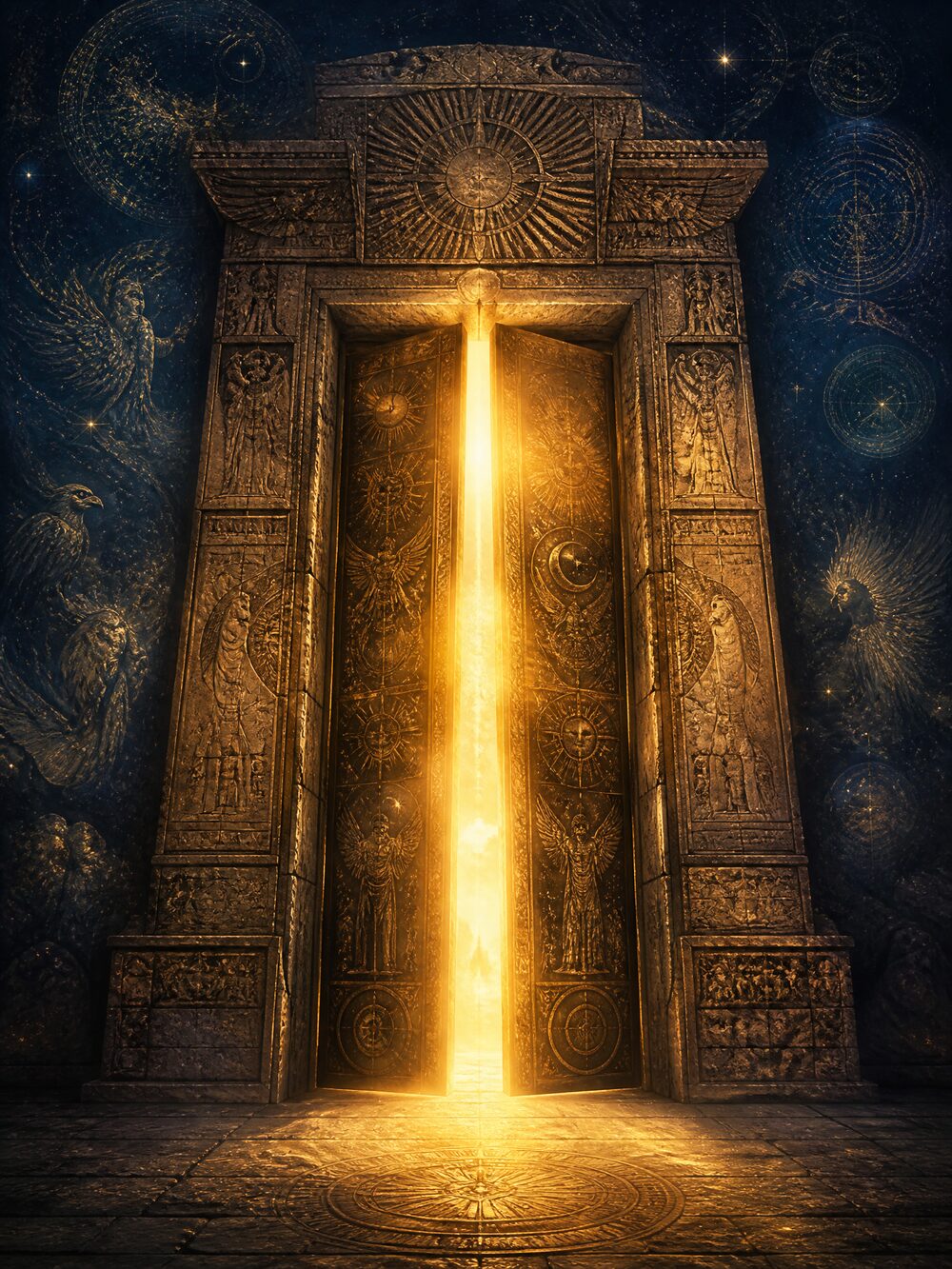
A “hidden door” is not a secret being sold. It is a recurring image — found across many traditions — of an inner threshold between forgetting and remembering, between living asleep to who you are and waking to it. The texts in this book keep returning to that threshold in different words, and naming it gives us a single thread to follow through very different writings.
This opening chapter sets the rules that govern everything after it. Evidence comes first: what does the manuscript actually say? Interpretation comes second, and is always labeled as interpretation. And the difference between the two is stated honestly rather than blurred — because a comparison is only worth reading if you can tell where the source ends and the author’s reading begins.
A word of caution belongs here too. “Gnosticism” is a modern umbrella term that scholars still debate; the ancient authors did not all belong to one organized movement, and grouping them can flatten real differences. This book uses the label loosely and carefully, as a convenience, not a claim. It treats each text as its own voice first, and only then listens for the harmonies between them.
The promise of the chapter is modest and freeing: you are not being asked to believe anything. You are being invited to read closely, think clearly, and notice how often these old writings describe the same human experience — of forgetting and being called to remember — that the rest of this library is about.